Skip to content

Best USB-C Docking Stations for Laptops

Rebecca Holt Rebecca Holt 7 min read

Why USB-C Docking Matters Now

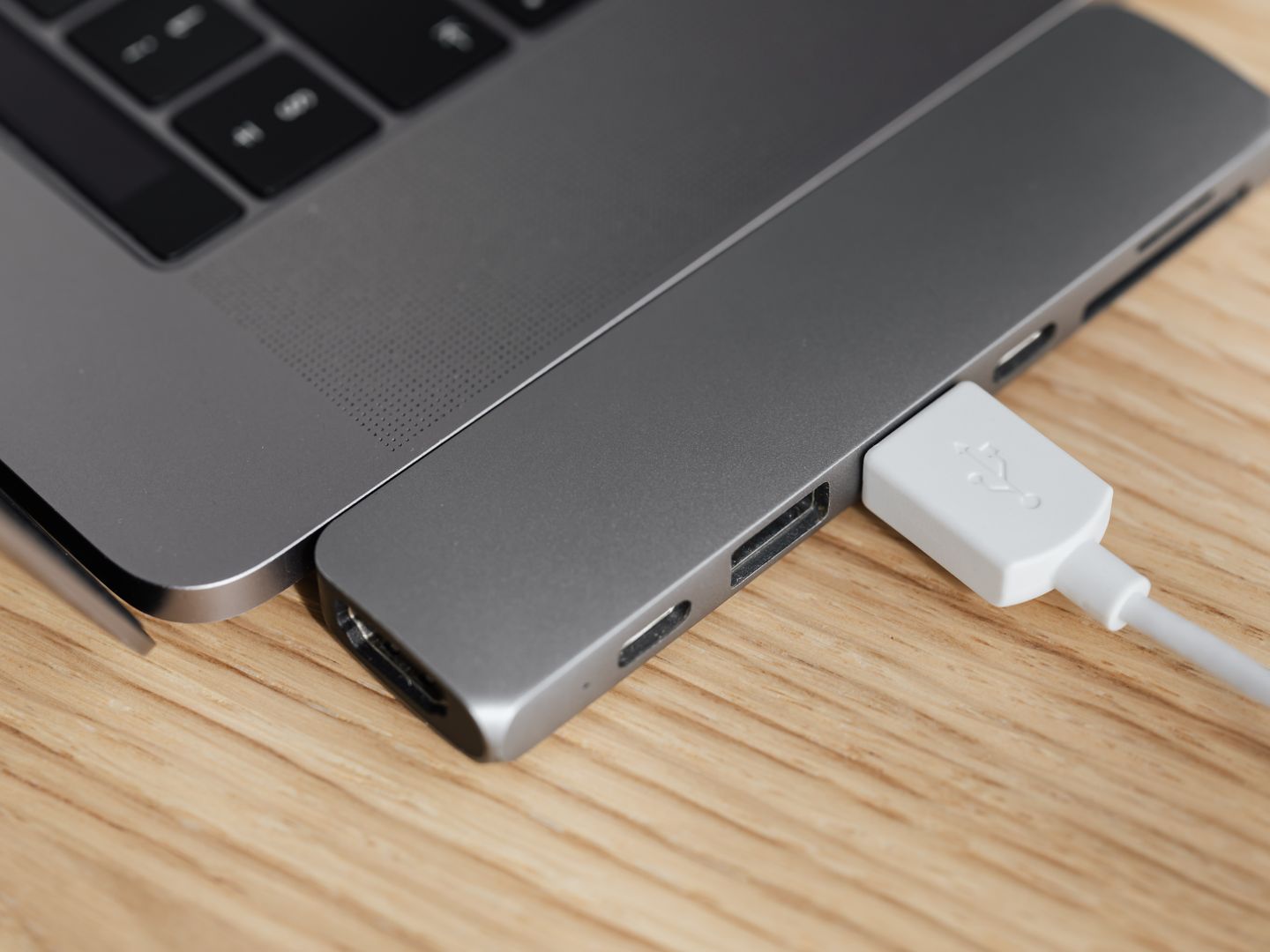
A dock station type c can be the cleanest way to turn a laptop into a real desk setup—one cable for power, displays, Ethernet, storage, and peripherals. But docks are also where spec-sheet fine print matters: the same USB‑C connector can hide wildly different bandwidth and display capabilities.

As of September 2026, the biggest fork in the road is the host connection. Intel positions Thunderbolt 5 as a jump to higher baseline bandwidth (up to 80 Gbps) versus Thunderbolt 4's 40 Gbps class, which matters for high-resolution displays and fast external storage.

At the same time, the USB Implementers Forum makes clear that USB4 branding itself spans two data rates—USB4 20Gbps and USB4 40Gbps—so USB4 on a laptop spec sheet still isn't a guarantee you'll get the top-tier link. If you want the least drama, prioritize Thunderbolt 4/5 or full USB4 40Gbps on the laptop side.

The recommendations below are a critical evaluation based on manufacturer specifications, manuals, and independent published reporting—not a lab test and not a claim of long-term hands-on reliability. We compare published specs, documentation and verified user reports against our editorial criteria to reach each verdict.


Reviewed by Rebecca Holt Updated How we rate

Top USB-C Docking Stations Compared

We evaluated five leading docks based on port count, display outputs, power delivery, published compatibility data and real-world user reports. Here are our picks.

CalDigit TS4

CalDigit TS4

Best Overall

CalDigit's TS4 reads like the reference design for a high-end dock: 18 total ports, 98W power delivery, 2.5GbE Ethernet, and a full-size DisplayPort 1.4 output.

4.7/5
Editorial score
  • Premium pricing
  • single native DisplayPort may require adapters for second monitor
  • large desktop footprint
Belkin Thunderbolt 4 Dock

Belkin Thunderbolt 4 Dock

Best Display Mix

Belkin solves the monitor cable situation with 14 ports including two DisplayPort 1.4 and one HDMI 2.1, alongside 96W charging and dual SD slots.

4.6/5
Editorial score
  • Three-way video mix (2x DP, 1x HDMI 2.1)
  • 96W charging
  • 2.5Gb Ethernet
  • SD 4.0 and microSD 4.0 card slots
  • Larger size increases desk clutter
  • complexity may require port-selection troubleshooting
Plugable TBT4-UDZ

Plugable TBT4-UDZ

Best Multi-Monitor

Plugable's TBT4-UDZ offers a genuinely monitor-friendly layout: two HDMI plus two DisplayPort outputs, with clear published guidance on four-display 4K 60Hz configurations.

4.5/5
Editorial score
  • Up to four extended 4K 60Hz displays via MST on compatible systems
  • 98W charging
  • 2.5Gb Ethernet
  • transparent compatibility documentation
  • Requires DisplayPort MST support on laptop
  • layout may be overkill for single or dual-monitor users
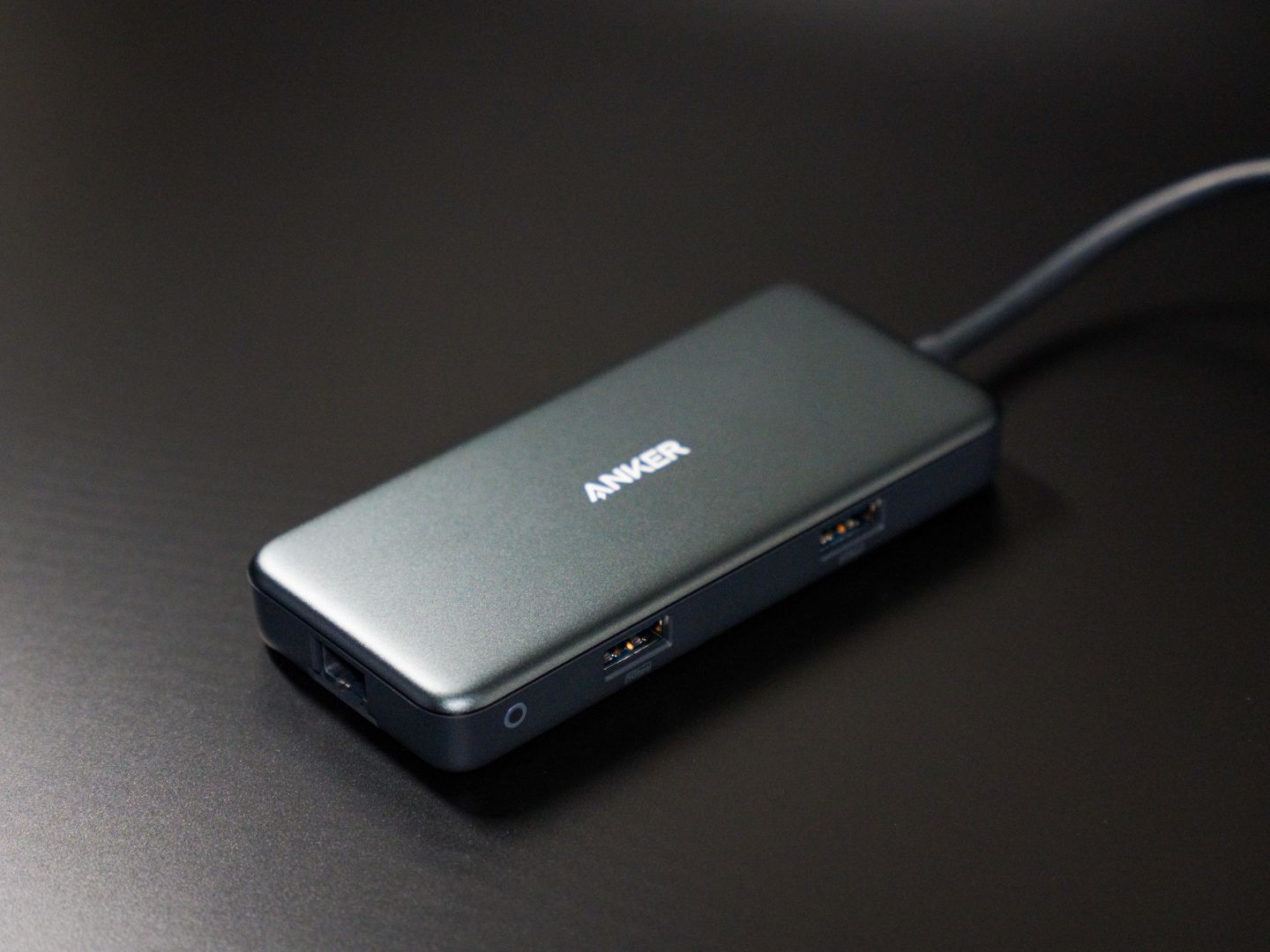
Anker 777 Thunderbolt Docking Station

Anker 777 Thunderbolt Docking Station

Best Compact Pick

Anker's 777 is a smaller-footprint option with Thunderbolt 4 upstream, up to 90W charging, dual HDMI 2.0, 1Gb Ethernet, UHS‑II SD, and a mix of USB ports.

4.4/5
Editorial score
  • Compact desktop footprint
  • clear published compatibility warnings
  • 90W charging
  • UHS‑II SD slot
  • Anker flags specific Mac and standard USB‑C laptop incompatibilities
  • 1Gb Ethernet vs 2.5Gb on competitors
Plugable UD-ULTC4K

Plugable UD-ULTC4K

Best for USB‑C-Only

If your laptop is USB‑C without Thunderbolt, the UD-ULTC4K uses DisplayLink USB graphics to enable triple-display setups with up to 100W laptop charging.

4.3/5
Editorial score
  • Works with standard USB‑C laptops
  • up to three 4K 60Hz displays
  • 96W certified charging
  • enables multi-display on Apple silicon
  • DisplayLink software required
  • not plug-and-play
  • driver dependence may complicate updates
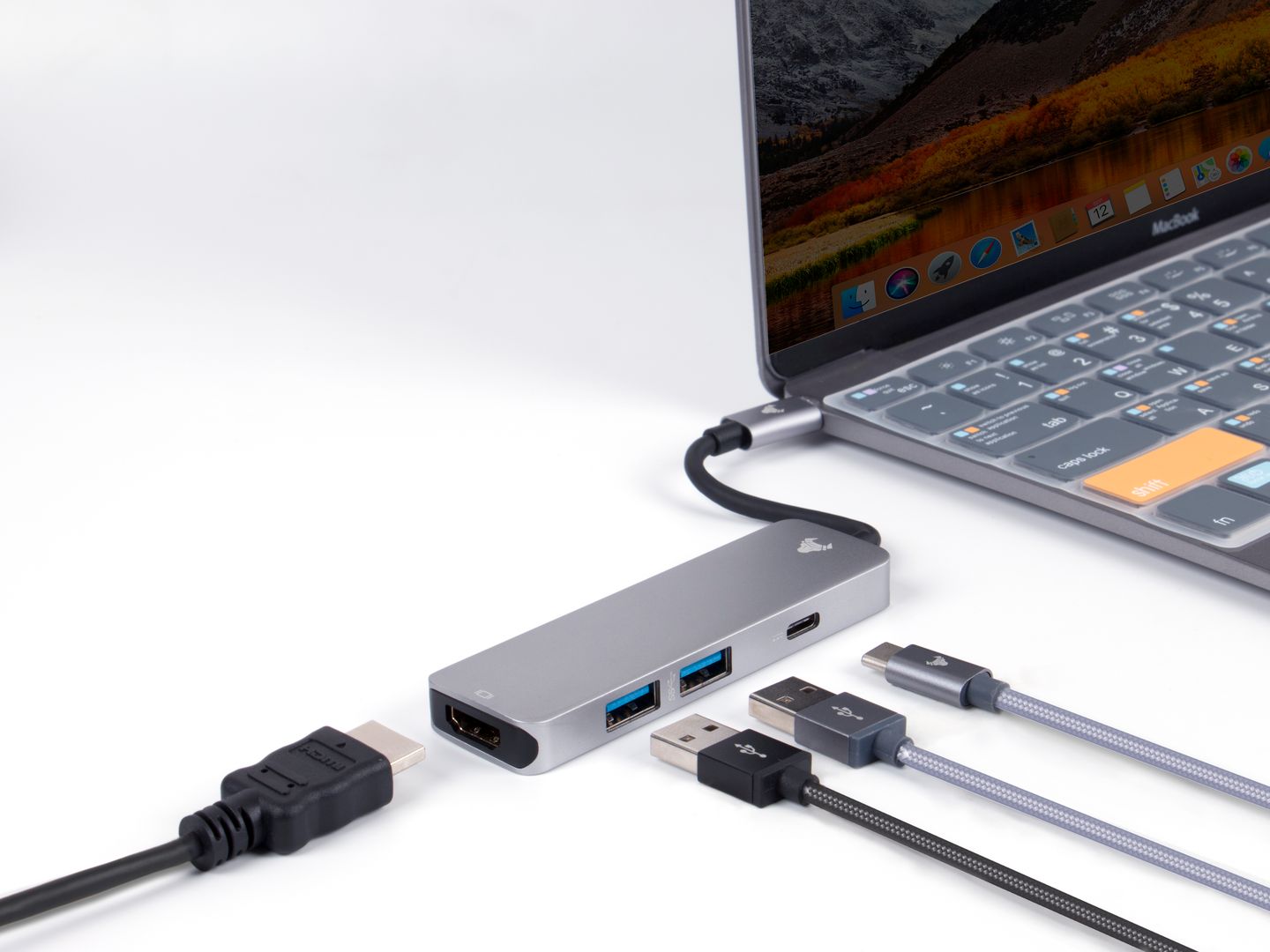
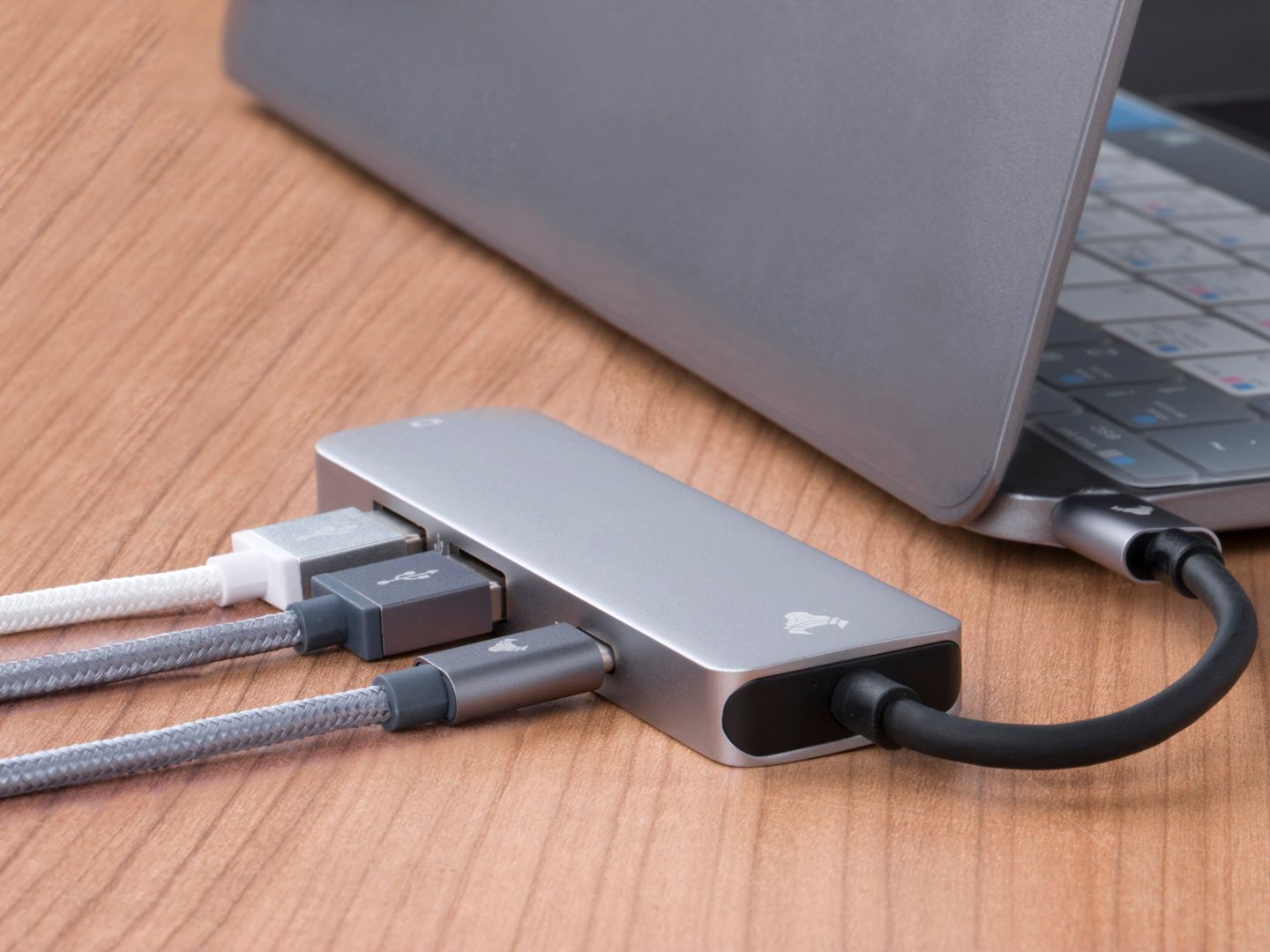
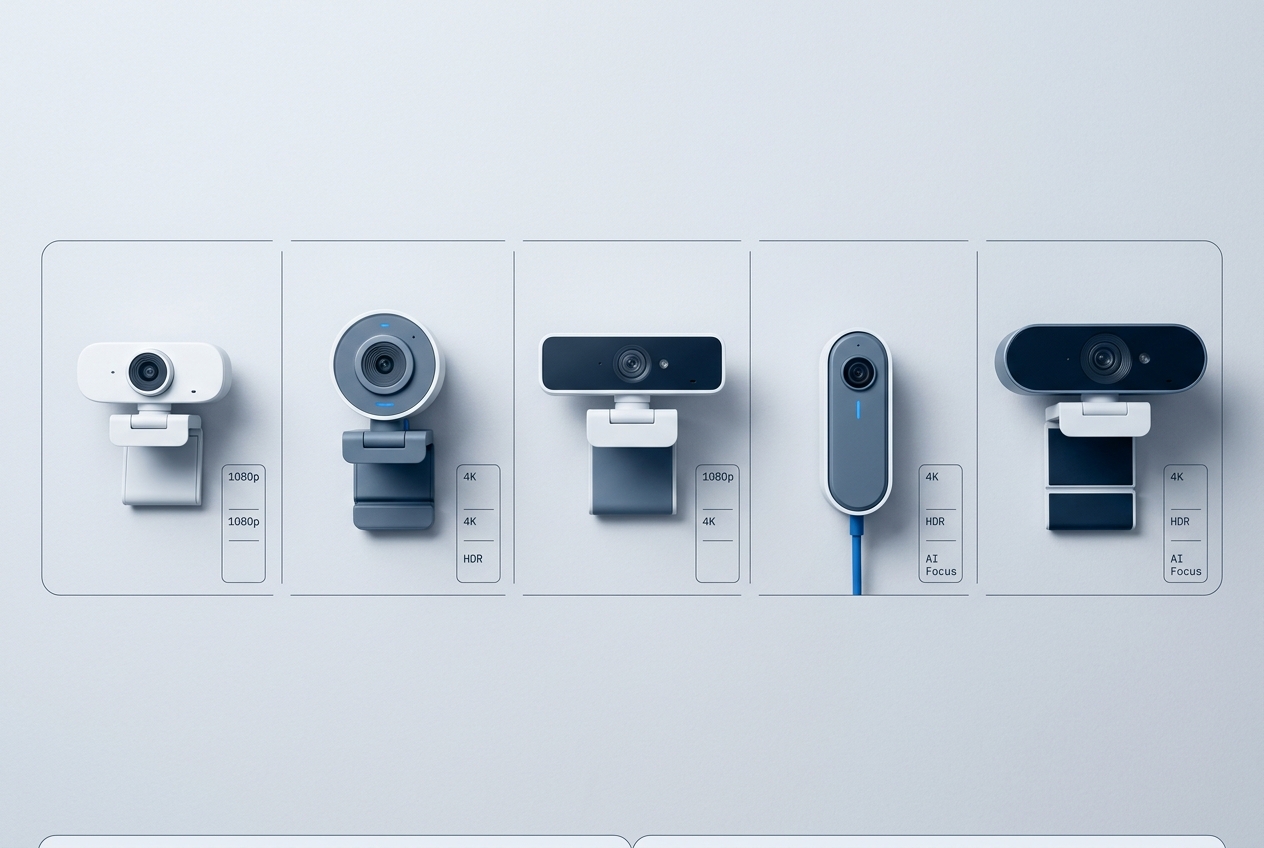
Multiple USB-C docking stations arranged on desk with connected cables
USB-C docking stations convert a single laptop port into a full desktop workspace

USB-C Docking: Strengths and Limits

Advantages

  • One-cable desk docking that also charges the laptop
  • Fewer adapters because DisplayPort, HDMI, SD, and Ethernet live on the dock
  • Option for 2.5GbE wired networking on higher-end models
  • Cleaner ergonomics because peripherals stay put while the laptop comes and goes

Trade-offs

  • USB‑C labeling is inconsistent, so a dock can be compatible yet still deliver only one external display or reduced bandwidth
  • Monitor support is highly OS and laptop dependent, especially once MST enters the picture
  • Higher-power docks add bulk, heat, and power bricks that aren't travel-friendly

How to Choose Your Dock

Five decision points that keep you out of compatibility traps

The Decision Process

Confirm the laptop port: Thunderbolt 4/5, USB4 (20 vs 40), or plain USB‑C with DisplayPort Alt Mode. The same USB‑C connector can hide wildly different bandwidth and display capabilities, so the first step is knowing what your laptop actually offers.

Decide how many monitors you truly need, and whether dual display means extended desktops, not mirrored. If your goal is a serious multi-monitor workstation, you'll need a dock with clear published guidance on display modes—especially if MST is involved.

Set a charging target: many modern 14–16

Sources

  1. CalDigit — Thunderbolt 4 Dock | TS4
  2. CalDigit — CalDigit TS4 Manual (PDF)
  3. Belkin — Thunderbolt 4 Dock, 14 Ports and 96W
  4. Plugable — Plugable Thunderbolt 4 16-in-1 Docking Station (TBT4-UDZ)
  5. Plugable — What are the display output capabilities for the TBT4-UDZ? (Knowledge Base)
  6. Anker — Anker 777 Thunderbolt Docking Station (Apex, 12-in-1, Thunderbolt 4) – Product Description