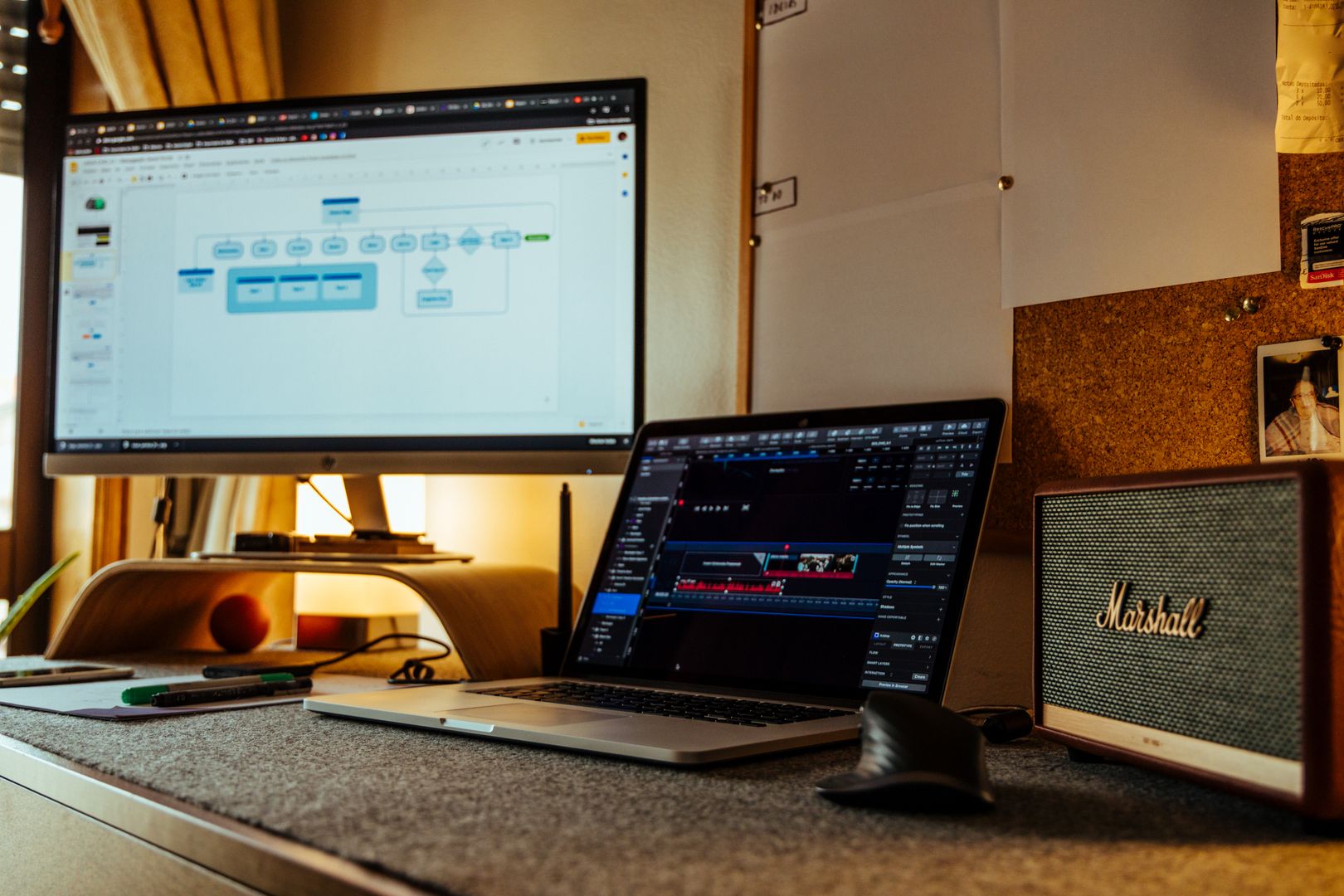
Across these picks, stability and load rating are where comparing published specs matters most. The difference between 180–200 lbs and 355–600 lbs is not abstract: it determines whether you can safely use heavy monitor arms, stacked displays, desktop PCs, or large audio gear without living on the edge of the product's published limits.
Height range is the other silent dealbreaker. If a desk can't go low enough for proper seated ergonomics—or high enough for a tall user—it forces bad posture even if the frame is otherwise excellent. Match the published height range to your seated and standing needs before considering other features.
For standards, don't get distracted by badge-chasing. BIFMA's announcement about the ANSI/BIFMA X5.5-2021 revision describes the standard as providing a common basis for evaluating the safety, durability, and structural performance of desk and table products—exactly the category where manufacturers should take compliance seriously.
Travel speed affects how quickly the desk transitions between heights. Faster motors (1.5–2 inches per second) make frequent position changes more practical. Noise levels below 50 decibels keep the desk quiet enough for video calls and focused work. Anti-collision behavior, when described in documentation, prevents damage if the desk encounters an obstacle during travel.
Warranty length and what it covers function as a primary spec. A 10-year warranty signals different confidence than a 20-year warranty, and lifetime coverage on some components tells you which parts the manufacturer expects to outlast others. Read what the warranty actually covers—frame, motors, electronics—and what conditions void it.
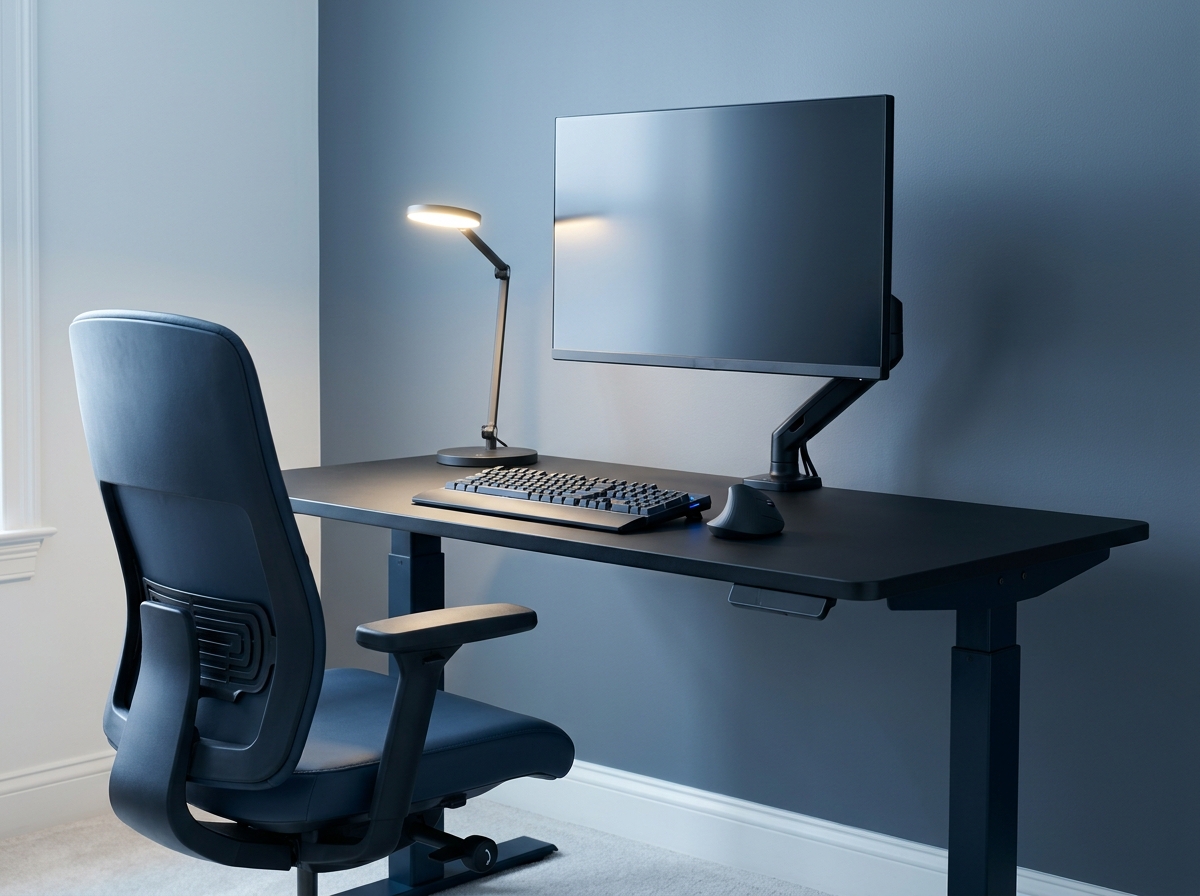
Cable management affects daily usability more than most buyers expect. Budget for accessories like cable trays or grommets if they're not included. Good cable management prevents snagging during height changes and keeps the workspace tidy. A USB-C docking station can centralize connections and reduce the number of cables that need to move with the desk.